
Overcoming travel shyness does not require becoming fearless, outgoing, or endlessly spontaneous. Many shy travelers enjoy discovery deeply. They simply need a better way to manage social pressure. Travel asks people to speak up at inconvenient times. That can feel draining. Yet shyness becomes easier to handle when the trip includes preparation, recovery space, and practical language. Confidence grows from honest design. The traveler stays themselves. The journey becomes less intimidating because support is built in from the start.
Acceptance removes unnecessary shame from the process. A shy traveler may need more planning than a highly social traveler. That is fine. Different temperaments require different systems. Fighting that reality wastes energy. Working with it creates momentum. A gentle travel confidence method helps transform nervous habits into manageable routines. The goal is not to erase discomfort. The goal is to keep discomfort from controlling every choice.
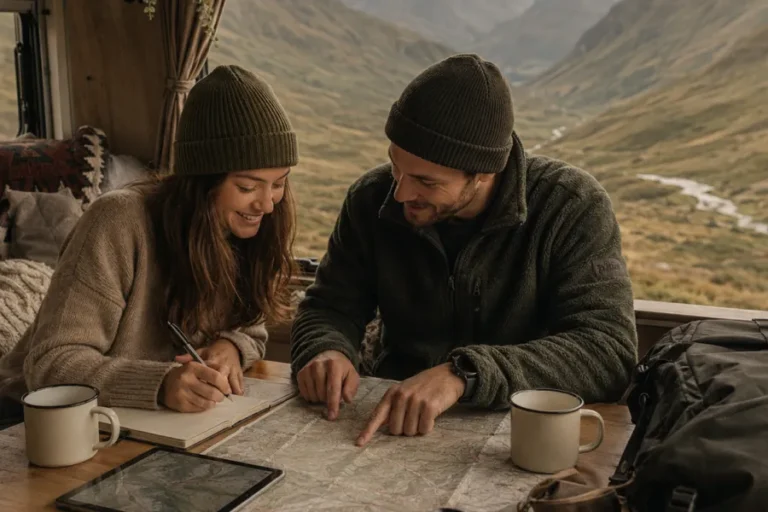
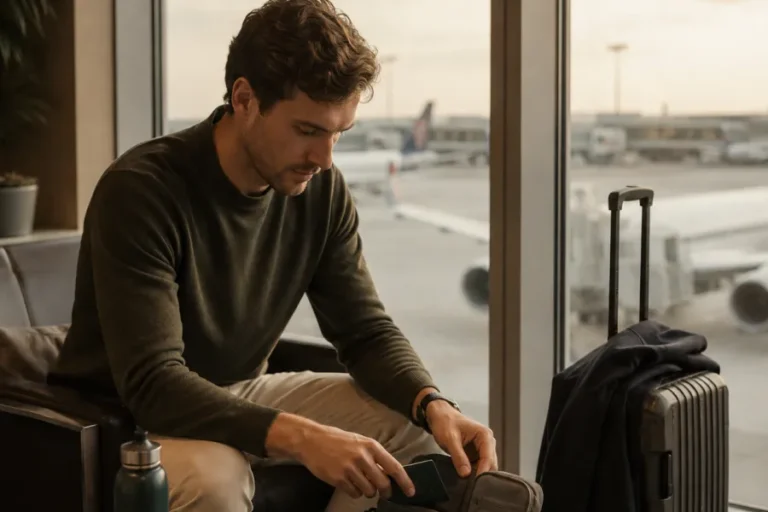
A shyness-aware plan anticipates difficult moments before they happen. Arrival day deserves special attention. Transportation, lodging access, payment methods, and emergency contacts should be easy to find. Screenshots reduce panic when internet service fails. A saved phrase list reduces pressure during unexpected conversations. These small preparations create emotional padding. They make the first hours smoother. Once the traveler settles, confidence often rises naturally. Good planning does not limit adventure. It protects the energy needed to enjoy it.
Practice works best when it feels modest. Ordering a coffee can become one confidence rep. Asking for a receipt can become another. Thanking a driver, greeting a host, or requesting a table all count. None of these moments need to be dramatic. They simply teach the brain that speaking up is survivable. A shy traveler action plan turns ordinary exchanges into progress. Soon, the traveler collects evidence instead of worries.
Solo travel can magnify social hesitation because there is no companion to speak first. Yet it can also build independence quickly. The traveler controls the pace. They choose quieter restaurants, calmer neighborhoods, and manageable activities. They can pause without explaining. That autonomy matters. It allows recovery between social moments. A solo trip does not need constant bravery. It needs thoughtful pacing. With each completed day, independence feels less like pressure and more like ownership.
Shy travelers often need downtime after high-contact experiences. That need should be respected, not judged. A museum after a busy market can restore balance. A quiet walk after a group tour can reset the mood. Hotel breaks are useful too. Recovery is part of the plan. It prevents overwhelm from becoming avoidance. Travelers who build rest into the day usually take more healthy risks later. Energy returns when the schedule leaves room for it.
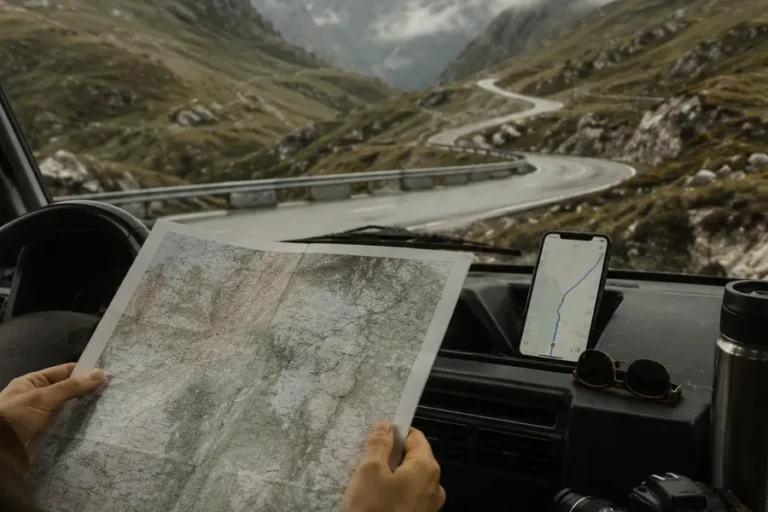
Backup tools lower the emotional stakes of interaction. Translation apps, written addresses, saved booking confirmations, and offline maps all reduce uncertainty. A shy traveler can show a note instead of speaking under pressure. They can point, confirm, and move forward. A travel anxiety preparation kit makes awkward moments easier to handle. These tools do not replace confidence. They create enough safety for confidence to appear.
Awkward moments happen to every traveler. A mispronounced word, wrong platform, or confused order does not mean failure. It means travel is unfolding. Shy people often replay these moments too intensely. A better response is quick repair. Smile, clarify, adjust, and continue. Most strangers forget the moment quickly. The traveler can learn to do the same. Emotional recovery becomes a skill. That skill makes future trips feel lighter.
Progress appears in quiet ways. The traveler asks sooner. They recover faster. They choose activities with less fear. They stop canceling plans because one interaction feels uncertain. This change may feel subtle at first. Then it becomes obvious. A destination that once felt impossible becomes realistic. The traveler still values calm spaces and thoughtful planning. Yet their world grows wider. That expansion is worth protecting.

Leave a comment
You must be logged in to post a comment.