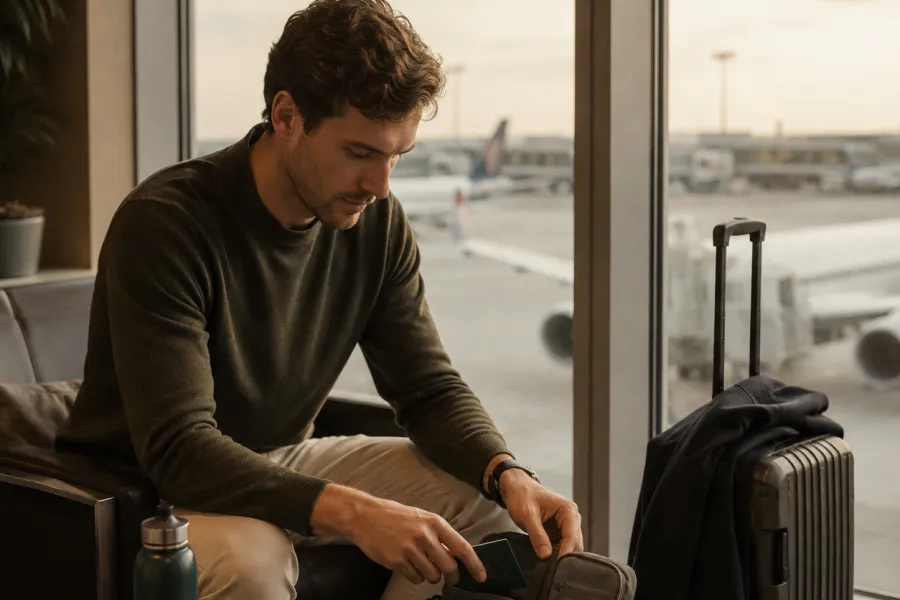
Solo travel confidence rarely appears all at once. It grows through small decisions made before and during the trip. A traveler books the room. They confirm the route. They walk into the café. They ask the question. Each action adds proof. Shy travelers often underestimate these moments because they look ordinary from the outside. Inside, they matter. The right preparation turns independence into something steady. Confidence becomes a practice, not a personality trait.
Control helps shy travelers feel safer in unfamiliar places. That does not mean controlling every minute. It means knowing the essential details. Where will the traveler sleep? How will they arrive? What happens if a plan changes? These answers lower stress. A personal travel confidence resource helps organize those answers before pressure rises. When basics feel secure, exploration feels more inviting. The traveler can meet the day with steadier attention.
Routines make new places feel less overwhelming. A morning check-in can include weather, route, budget, and one social goal. An evening reset can include notes, receipts, and tomorrow’s first step. These habits create rhythm. They also reduce decision fatigue. Shy travelers often feel braver when they know what comes next. A low-pressure travel routine provides structure without making the trip rigid. Familiarity supports freedom in a quiet way.
Some destinations are easier for first solo trips. Walkable areas help. Clear public transportation helps too. Friendly lodging, visible signage, and accessible food options reduce stress. A shy traveler may prefer a city with many solo diners and independent activities. That choice is strategic. It increases the chance of early success. Confidence grows faster when the environment supports it. Later trips can stretch further. The first trip should build trust, not prove toughness.
Traveling alone can actually reduce social pressure. The traveler does not need to match anyone else’s pace. They can skip nightlife, leave crowded spaces, or linger somewhere quiet. They decide when to talk and when to observe. This autonomy feels powerful. A shy solo traveler framework helps turn that autonomy into practical choices. Social energy becomes easier to manage. The trip starts fitting the traveler.
Meals alone can feel exposed at first. Choosing counter seating, casual restaurants, or cafés with window views can help. Tours may feel easier when they involve walking, food, or museums. Public spaces become less intimidating with a simple purpose. Take photos. Read signs. Follow a route. These actions give the body something to do. The traveler does not need to perform confidence. They only need to stay present and continue.
Problems reveal preparation quality. A delayed train, lost reservation, or closed attraction can unsettle anyone. Shy travelers may feel extra pressure because they must ask for help. Planning backup phrases helps here. So does keeping important information accessible. A calm problem-solving order works well. Stop, breathe, identify the next official person, then ask one clear question. Most issues shrink when handled step by step. Confidence often grows most after recovery.
Many solo travelers worry that everyone notices them. In reality, most people are absorbed in their own plans. A person eating alone, walking alone, or visiting a landmark alone rarely attracts attention. Remembering this reduces pressure. Wearing comfortable clothing helps. Carrying a book or notebook can help too. The traveler can create small anchors of ease. Self-consciousness fades when attention moves outward. The destination becomes more interesting than imagined judgment.
After one successful trip, the next decision feels different. The traveler has evidence. They know they can arrive, navigate, eat, rest, ask, and adapt. That knowledge changes future planning. Bigger destinations become possible. Longer stays feel realistic. The traveler still may feel shy. Yet shyness no longer blocks the path. Confidence becomes a quiet companion, built from every choice that proved the traveler could continue.

Leave a comment
You must be logged in to post a comment.