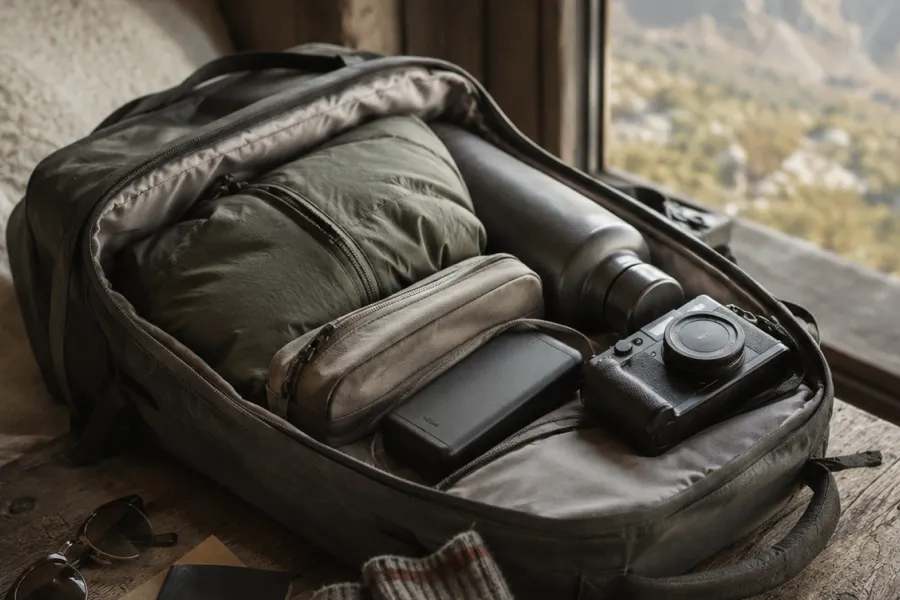
Long journey comfort often depends less on the seat and more on the small items nearby. Travelers cannot control cabin temperature, delays, noise, or legroom. They can control how prepared they are for those conditions. A smart setup keeps relief close. Warmth, hydration, hygiene, sleep support, and entertainment all matter. When these basics are easy to access, the body relaxes sooner. The trip still lasts hours, but discomfort no longer runs the entire experience.
Anticipation helps travelers pack for reality instead of hope. A long route usually includes temperature swings, dry air, boredom, and limited movement. Ignoring those patterns makes discomfort predictable. Planning for them creates relief. A comfort-focused packing plan helps identify problems before departure. Each item should answer a specific need. The best packing choices feel obvious during hour seven, not just neat at home.
Temperature changes can ruin rest quickly. A lightweight scarf, soft socks, and breathable sweater help travelers adjust without overpacking. Layers should feel comfortable against skin and easy to remove. Bulky pieces create more trouble than comfort. The goal is flexible warmth. A cozy travel essentials setup protects against cold cabins and drafty stations. When the body stays warm, sleep and patience improve.
Sitting for hours places unusual pressure on the body. Neck pillows, lumbar support, compression socks, and occasional stretching can reduce strain. Travelers should choose support items carefully. Too many bulky pieces create clutter. One excellent pillow beats three mediocre accessories. Feet deserve attention too. Comfortable socks and loose footwear can make a major difference. Movement remains important. Even brief standing breaks help circulation and reduce stiffness.
Sleep requires reducing stimulation. Light, sound, temperature, and posture all affect rest. An eye mask and earplugs create a small boundary from the surrounding environment. Downloaded audio can soften noise. A familiar playlist may help the body settle. A travel sleep comfort method turns these pieces into a routine. The traveler signals that rest is possible, even when the setting is imperfect.
Comfort drops when hunger or dehydration takes over. Travelers should pack water access and balanced snacks. Nuts, protein bars, crackers, dried fruit, or simple sandwiches can help. Messy foods are less useful in tight spaces. Strong smells can also create problems. Hydration should stay steady rather than sudden. Too much caffeine may increase restlessness. Thoughtful food choices keep energy stable. The journey feels easier when basic needs are not ignored.
Delays test every travel system. A traveler with only a phone and no backup plan may struggle quickly. Power banks, downloaded entertainment, extra snacks, and basic toiletries become valuable. A delay-ready travel kit adds resilience. Waiting still feels annoying. Yet the traveler has options. They can charge devices, freshen up, eat something simple, and stay calmer while plans shift.
The under-seat bag should work like a small command center. Documents, medication, charger, water, snacks, sleep tools, and hygiene items need clear placement. Pouches prevent chaos. A top pocket should hold the most urgent items. Travelers should avoid overfilling the bag. Crowding makes everything harder to find. Good organization reduces stress during cramped moments. It also helps when lights are low or seatmates are sleeping.
Frequent travelers learn that comfort is personal. One person needs silence. Another needs snacks. Someone else needs warmth above everything. The best system evolves after each trip. Travelers should notice what helped and what stayed untouched. That review improves future packing. Comfort becomes more efficient with experience. The final goal is not a perfect journey. It is arriving with more energy, less irritation, and fewer avoidable aches.




Leave a comment
You must be logged in to post a comment.